


Being a leader is not only about strategy or processes; it's about how we show up with others, especially in uncertain and emotionally charged times. As leaders, we are navigating ambitious goals, organizational change, and performance expectations. At the same time, we are also leading people who are carrying personal, systemic, and collective stress. In team conversations, I often hear:
- "They're too sensitive."
- "We're not trained therapists."
- "I don't know how to navigate this stuff."
And it's true. Leaders aren't therapists, yet leaders can shape experiences. Whether we realize it or not, we influence people's nervous systems, stress responses, and sense of belonging through how we lead.
Trauma-informed leadership, when viewed through the lens of neuroscience, isn't soft. It's smart. It's about understanding how the brain responds to perceived threats and how we can create environments where people feel safe enough to contribute, collaborate, and grow.
The Brain at Work: What NeuroLeadership Teaches Us
The NeuroLeadership Institute's SCARF model offers a powerful lens for trauma-informed leadership.
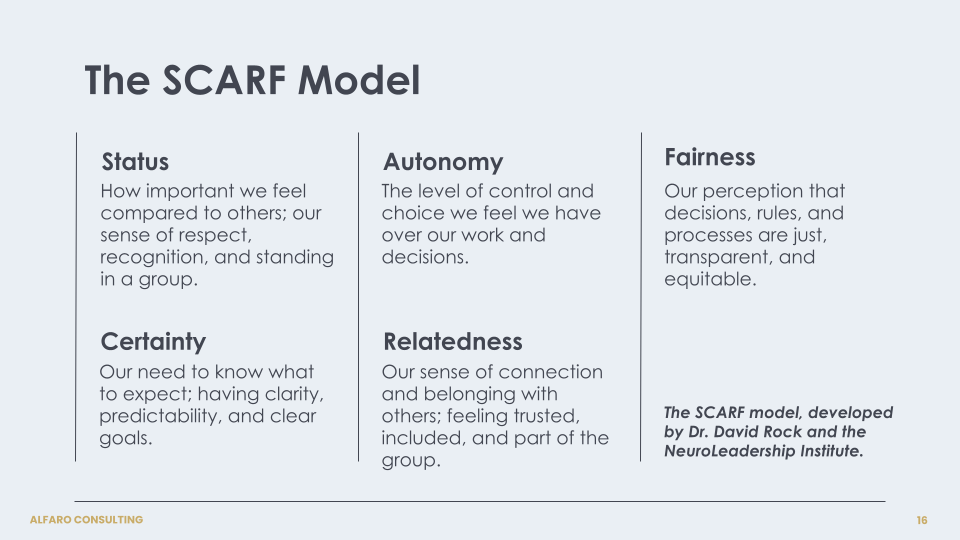
It identifies five domains that influence our brain's threat and reward responses at work:
- Status: Our relative importance to others.
- Certainty: Our ability to predict the future.
- Autonomy: Our sense of control over events.
- Relatedness: Our sense of belonging and connection.
- Fairness: Our perception of fair exchanges and treatment.
When these needs are threatened, even unintentionally, the brain reacts as if to a physical threat, activating fight, flight, or freeze. When they're reinforced, the brain shifts toward a reward state, opening the door to engagement, collaboration, and creativity.
What Trauma-Informed Leadership Looks Like in Action
Trauma-informed leadership, when aligned with SCARF, focuses on minimizing threat and maximizing psychological safety. Here are some real patterns I've seen and how a SCARF lens helps decode them:
- A team member shuts down after receiving feedback. Their status feels threatened, triggering defensiveness.
- A leader avoids difficult conversations. Their experiences may cause them to associate conflict with a loss of autonomy or relatedness.
- A team goes silent in planning sessions. Overwhelm and unprocessed change may have created uncertainty and diminished fairness in how decisions are made.
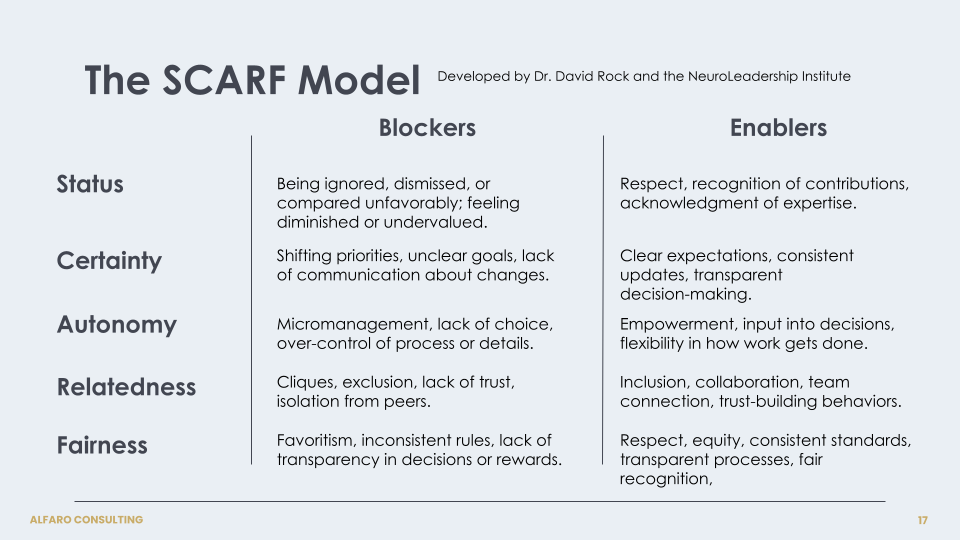
In each case, the behavior isn't irrational; it’s more biological. Trauma-informed leadership recognizes this and makes different moves.
Leading with SCARF and Care
Here are five practical ways to lead in ways that honor both brain science and human experience:
- Support Status: Celebrate progress. Invite input. Offer feedback that affirms strengths before surfacing challenges.
- Increase Certainty: Be clear about goals, roles, and next steps. Predictability lowers stress and builds trust.
- Preserve Autonomy: Offer choice where possible. Ask, "What would work best for you?" or "Is there another way to approach this?"
- Foster Relatedness: Build connection before content. Use regular check-ins. Acknowledge emotion. Create rituals of appreciation.
- Ensure Fairness: Be transparent in decisions. Involve people early. Explain the "why" behind shifts in direction or policy.
These moves may seem small, but they rewire the social fabric of teams. They signal, "You belong here. Your well-being matters. And together, we can move forward."
This Is What Accountability with Care Looks Like
Trauma-informed leadership isn't about lowering standards. It's about creating conditions where people can rise to them. When the brain feels safe, people can challenge themselves, stretch, and take risks.
When we shift from asking "What's wrong with you?" to "What's happening, and what do you need to thrive?", we start leading in a way that honors both performance and humanity.
Further Exploration
 eepi
eepi
Understand your social brain – The SCARF® Model
 David Rock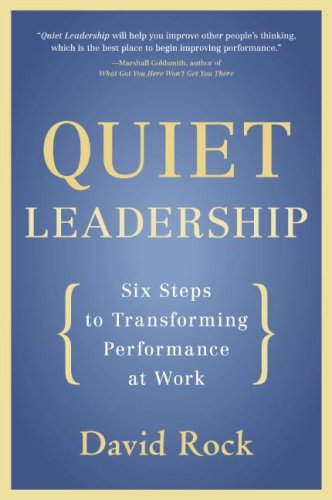
Your Brain at Work by David Rock is the foundational introduction to SCARF and workplace neuroscience
 Good Reads
On how trauma lives in the body and behaviorOn how trauma lives in the body and behavior

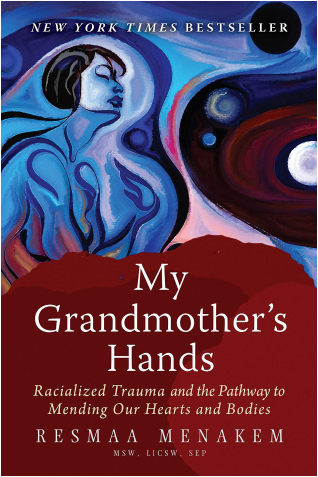
On racialized trauma and systemic healing


Explores the language of human emotion and how emotional literacy supports connection, trust, and resilience