


I’ve seen expectations considered soft beliefs by leaders, helpful to name, maybe useful to adjust. Neuroscience says they’re more powerful than you might imagine. Expectations aren’t passive thoughts. They are predictions your brain uses to navigate the world, and they influence everything from how you feel to how you perform.
When we expect something, the brain prepares itself accordingly. Expectations that are met, give us a little dopamine reward that reinforces confidence, motivation, and well-being. When it's not, our dopamine dips, our stress increases, and our brains shift into protect mode. That’s the cycle of a reward prediction error.
This week I want to remind you that expectations are not neutral. They're neurochemical. And when we ignore them for both ourselves and others, we risk unintentionally triggering spirals that shape behavior, mood, and performance.
What Leaders Need to Know About the Neuroscience of Expectations
- The brain hates surprises (unless they’re good ones). The brain is constantly predicting what’s going to happen next and checking whether it’s right. This error detection in the brain can trigger stress responses.
- Expectations shape experience, both pleasure and pain: Expectations activate the brain regions tied to motivation, memory, and meaning. The placebo effect means when someone expects something will help (even a sugar pill), it often does. Contextual cues like tone of voice, environment, and social connection amplify that effect.
- Dopamine tracks rewards, and importantly, it fuels motivation. When expectations are met, dopamine is released, increasing confidence, engagement, and the likelihood of sustained effort.
- Expectations drive spirals, up and down. Meeting expectations creates upward spirals: dopamine release, better mood, higher performance, more confidence. But unmet expectations? They kick off downward spirals: stress, self-doubt, withdrawal. It's not just disappointing; it’s disorganizing.
How Leaders Can Use This
You don’t need to be a neuroscientist to put this into practice. You just need to treat expectations as a leadership lever:
- Be intentional with how you set expectations. That includes tone, timing, and context.
- Give people small wins. Meeting expectations, even minor ones, will boost motivation.
- Repair quickly when expectations aren’t met. Silence after a letdown can do more harm than the letdown itself.
- Clarify the “why” behind changes. Ambiguity amplifies error signals in the brain. Even a simple reframe can lower threat perception.
- Manage your expectations with compassion. Unrealistic goals don’t motivate. They deplete. Right-size expectations for your team and yourself.
When people know what to expect and feel they can meet these expectations, they’re not just more motivated. They’re more present, creative, and connected.
A Final Thought
Setting expectations doesn’t have to be rigid or transactional. It’s about understanding the human brain and helping it feel safe enough to take risks, feel wins, and stay engaged.
Clear expectations can be a steadying force, especially as things change all the time. They turn ambiguity into agency. And they remind us of the impacts of how we show up. What we say, what we signal, and how we follow through has real neurological weight.
Further Exploration
 ✉Correspondence to T.D.W. Tor.WagerColorado.edu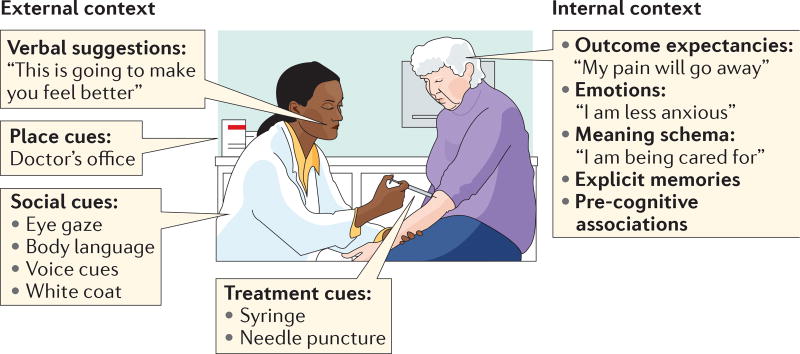
 Ali Mohebi
 Hidden Brain Staff