

This is the second in a series of posts from my learning journey with the NeuroLeadership Institute's Certificate in the Foundations of NeuroLeadership (CFN). I’m sharing takeaways and reflections that connect neuroscience to the real-world work of leading through change, conflict, and culture, especially in complex systems.
What Makes Learning Stick?
This week, we explored a powerful concept: learning that sticks doesn't come from being told; rather, it comes from being engaged.
It was a reminder of a truth I've seen again and again in my consulting and facilitation work: what people remember isn't your slides or fancy frameworks or theories. It comes from the "aha" moments, what participants discover, say out loud, and connect to their lived reality.
Neuroscience backs this up. When we generate learning (through reflection, teaching others , or imagining how something applies), we activate the medial prefrontal cortex, a part of the brain involved in memory, meaning, and self-relevance. Even "failed" attempts to retrieve information can strengthen recall better than only passively reviewing content.
This insight is central to the AGES model of learning, which includes:
- Attention - Focusing on a single idea at a time
- Generation - Making meaning through personal connection or explanation
- Emotion - Engaging feelings to enhance memory
- Spacing - Revisiting material over time to embed learning
Together, these create the optimal conditions for learning that lasts and leadership that sticks.
Teaching Is Learning
The phrase "see one, do one, teach one" from medical education came to mind this week. In my coaching and leadership development practice, I've often invited participants to talk among themselves, present back key insights, or teach peers.
It is now clear why these sessions often receive the best feedback ratings. The goal is not perfect delivery of content, and instead it's about engaging social cognition networks and strengthening memory by making meaning in our own words.
If we want new behaviors or mindsets to take root in a team, it's not enough to model or explain them. We need to give people a chance to say them out loud, in their own way, with others.
What This Means for Leadership, Coaching, and Culture Work
Here's what I'm carrying forward:
- People don't remember information; they remember what they connect to.
- The best facilitation goes beyond delivery and into co-creation.
- Effective leaders are learning designers for their teams.
- Real change starts with sensemaking, not just direction.
Try This With Your Team
Here are a few ways to bring this science into your next meeting or coaching session:
- Ask before you tell. Instead of presenting a concept, ask, "Where have you seen this play out?" or "What does this idea remind you of?"
- Use teach-backs to deepen learning. At the end of a session, have team members explain the key takeaway to a partner or the group.
- Make space for failure. Invite guesses or hypotheses before sharing an answer. Remember, failed attempts can enhance retention.
- Reflect out loud. Use questions like "What's one insight that surprised you?" or "How might this apply in our team?"
These small shifts build connection, ownership, and retention, all essential traits for leading in complexity.
Final Thought
In a world flooded with information, what stands out is what we generate on our own. The most effective leadership designs spaces with that in mind.
The next time you're tempted to pack more into the agenda, consider this: What would it look like to invite more sensemaking instead?
Further Exploration
 NLI Staff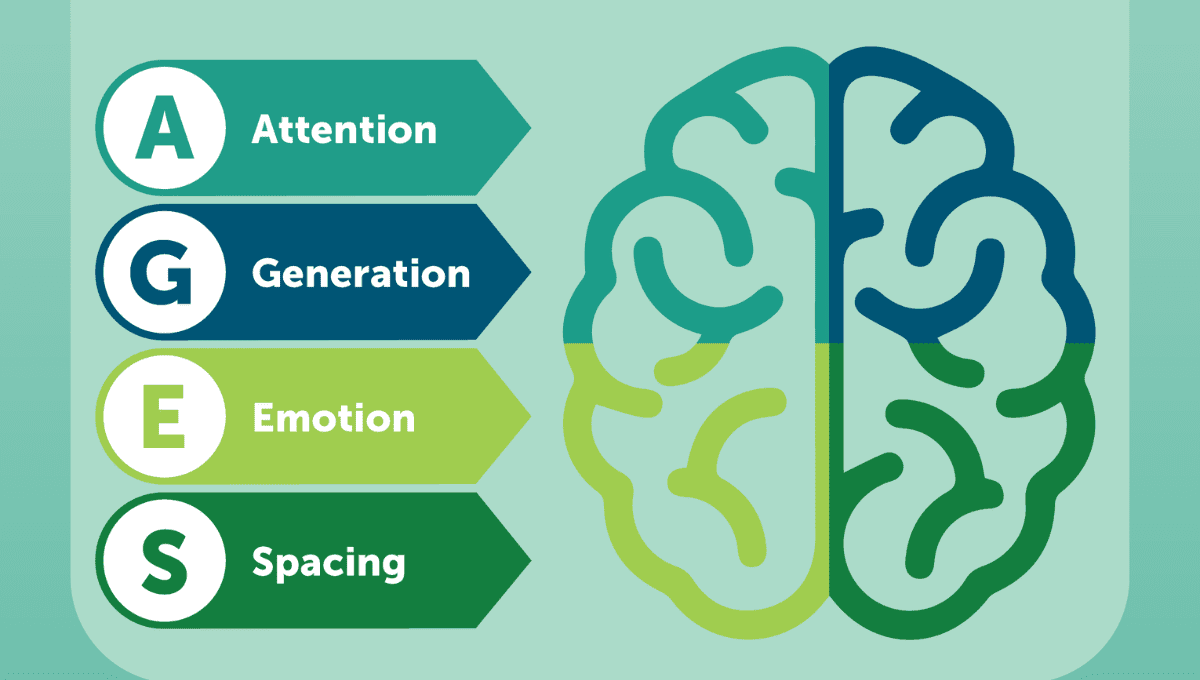
Key principles behind how we encode long-term learning

New neuroscience on memory reinforcement
 Kelvin F. Alfaro