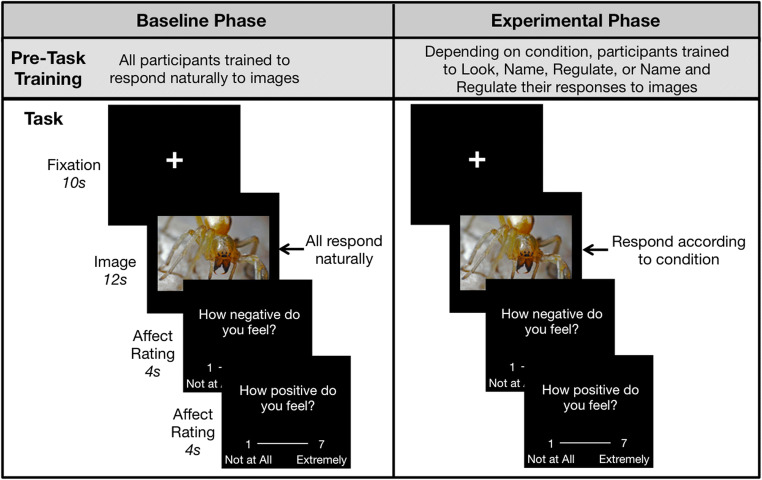


In leadership development, we hear a lot about "emotional intelligence," "self-awareness," and the importance of "naming what you feel." These are essential ideas but they're often treated like check-the-box exercises instead of practices that require context, skill, and discernment.
This week, during a conversation on emotional regulation and reappraisal, a powerful set of questions emerged:
These are the kinds of questions leaders need to wrestle with in the real complexity of leading through change, conflict, and uncertainty.
The Limits of Naming and Reframing
Naming emotions can increase awareness and help reduce intensity but it isn't always the best next move. When done too quickly, too clinically, or without relational attunement, it can backfire. Similarly, when reappraisal (i.e., where you spin the story more positively without naming real harm) becomes a constant reflex it can quietly turn into avoidance.
That's why naming and reframing aren't one-size-fits-all tools. Their effectiveness rests on three leadership muscles: awareness, intention, and practice.
Three Foundations for Effective Emotional Regulation
- Awareness: What's happening in your body? Is this moment about discomfort or danger? Are you reacting from an old script? Leaders who tune into their physiological signals (i.e., tightness, heat, shortness of breath) are more likely to respond rather than react.
- Intention: Why are you naming this emotion? Why are you reframing this story? Are you trying to foster connection and honesty or smooth things over to avoid discomfort? Emotional regulation is both about managing perception and staying in integrity.
- Practice: Like any leadership skill, emotional regulation requires practice. Leaders need space to build tolerance for discomfort, sit with ambiguity, and experiment with choosing their response.
What This Means for Teams and Workplace Culture
Many workplaces promote "resilience" and "positivity," but few create space for real emotional processing. Leaders can shift this by practicing the following:
- Pause Before Naming: Silence, breath, and presence can sometimes speak louder than labeling. Especially in emotionally charged moments, give yourself and others a beat to regulate before assigning meaning.
- Reframe to Understand, Not Dismiss: Reappraisal isn't about toxic positivity. Instead of saying, "It's not a big deal," try "This is hard AND I've been through hard things before." The goal is to bring context, not bypass pain.
- Make Space for Emotion, Not Just Regulation: Create environments where emotional honesty isn't penalized. Normalize a full range of emotions beyond the ones that are easy to manage or are acceptable in your team culture. Invite people to share how they're feeling without forcing disclosure.
- Practice in Low-Stakes Moments: Emotional regulation is easier to build when it's not urgent. Practice in everyday interactions (e.g., debriefs, team check-ins, and feedback sessions) so that it becomes more accessible when stakes are high.
Regulation Isn't Suppression
At its best, emotional regulation allows leaders to stay connected to themselves and others without being hijacked by reactivity. But it's not about flattening emotion, brushing past discomfort, or putting a silver lining on everything. The goal is to move from automatic to increased intentionality. To pivot from "What am I feeling?" to "What do I need right now?", that is the real practice.
Further Reading


Your Brain at Work (D.Rock) - Act 2 Scene 7: "Staying cool under pressure, derailed by drama"
https://emergingtrends.stanford.edu/files/original/91918bc0b9659cda25dabb59beb8be03d91e2313.pdf
 Handling Editor: Kristen Lindquist ✉Corresponding author.