

There is a phrase I often hear in my work with leaders: "We are just wired differently." It usually shows up in moments of tension. A quick way of explaining why communication feels harder than it should.
I have been thinking about that phrase differently. Research now shows that culture does more than influence our opinions. It shapes how our brains develop over time. The environments we grow up in affect how we understand emotion, define who we are, experience belonging, and respond to stress.
I was born in El Salvador and grew up in the United States. For years, I felt the tension of moving between two cultural worlds. At times it felt like contradiction. Now I understand it differently. The brain adapts to its environment. Culture leaves patterns. If that is true, leaders must take those patterns seriously.
The self is shaped by culture
Brain research proves that people from different cultural backgrounds may experience the sense of self differently. In cultures that emphasize interdependence, people often experience themselves as closely connected to family and community. In cultures that emphasize independence, people are more likely to experience themselves as separate and self-directed.
This has real implications at work and for leaders. When feedback feels personal instead of an opportunity for growth, it may reflect a different understanding of self. When someone values group harmony over speaking up quickly, that may reflect how they were shaped, not a lack of confidence.
Through the SCARF model, we know that people are sensitive to status, certainty, autonomy, relatedness, and fairness. Culture influences which of these feel most important. What feels like healthy debate to one person may feel like relational risk to another.
Language matters. When we label someone as disengaged or overly sensitive, we may simply be seeing through our own cultural lens.
Empathy across cultures takes practice
Many leaders believe that if they care, they will naturally understand others. Research suggests something more nuanced. We are generally better at reading emotions in people who share our cultural background. Our brains become familiar with certain facial expressions, tones of voice, and communication styles.
That means empathy across difference is learned. It requires attention and exposure. People who have to code-switch often become skilled at reading dominant cultural norms because belonging depends on it. The effort is not evenly shared. Leaders, especially those in positions of power, need to see empathy as a skill to build, not a trait to assume.
Cultural humility is a daily discipline
Cultural humility is regularly described as a value. I consider it to be a daily practice. It means questioning your first interpretation. It means asking, "What else might be true here?"
- What looks like silence may be reflection.
- What feels abrupt may be clarity.
- What seems hesitant may be respect for group process.
When we pause before reacting, we calm our stress response and make room for curiosity. In change work, awareness comes first. We cannot adjust our behavior if we do not see the assumptions guiding it.
Try this: Strengthen your cultural lens
If you lead across differences, consider these practices:
- Pause before judging behavior. Ask, "Is this ineffective, or simply unfamiliar to me?"
- Create multiple ways to participate. Combine open discussion with written reflection so different styles are welcomed.
- Talk openly about safety. Ask where people may feel uncertain, undervalued, or excluded.
- Share responsibility for understanding. Do not rely on one person to explain an entire cultural experience.
- Reflect on your own norms. What do you consider professional or appropriate, and who taught you that?
Leading in a culturally shaped world
Understanding that culture shapes the brain does not eliminate misunderstanding. People are complex, and change takes effort. What it offers is awareness.
When leaders see difference as variation rather than deficiency, conversations shift. Curiosity replaces quick judgment. Teams become more flexible and more connected.
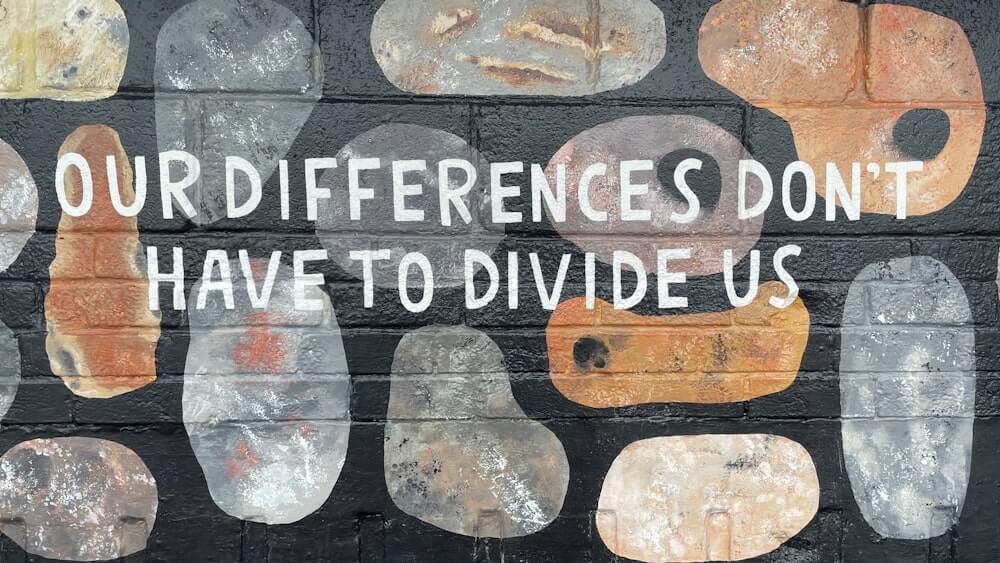
We may be wired differently. It is the job of leaders to create conditions where those differences strengthen the whole rather than divide it.
Further Exploration
 Joan Y Chiao
Chiao, J. Y., et al. (2013). Cultural Neuroscience: Progress and Promise.
 Richard E. Nisbett
Nisbett, R. E. The Geography of Thought.
Resmaa Menakem
Menakem, R. My Grandmother’s Hands.
 Andy Molinsky
Harvard Business Review. "How to Build Trust on Your Cross-Cultural Team."